
Soul Massage Head Spa · Massage Guide
Cupping Therapy, Explained
By the Soul Massage Head Spa team · 1,986 words · Sources: NCCIH, Mayo Clinic Health System · Updated
+$30 add-on · 60 min with cupping $105 cash · marks fade in ~7–10 days · evidence: limited (NCCIH)
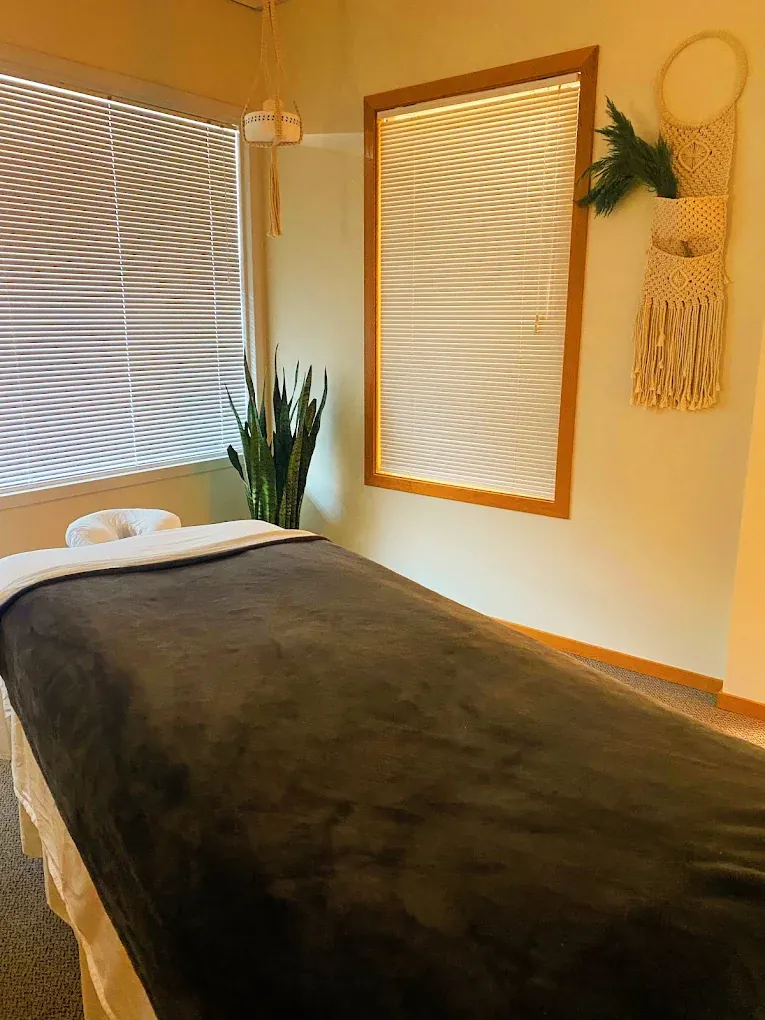
Private rooms — never shared Groups of 5–10 at one studio
Birthday? Anniversary? Need a gift? Spa gift cards for head spa, massage, or facials.
Buy a Gift CardFirst principles
What cupping actually is
Cupping is mechanically simple: cups go on the skin — usually the back or shoulders — and suction pulls skin and superficial tissue upward into the cup. That's the whole mechanism. Negative pressure, where massage is positive pressure, which is exactly why the two get paired: a session can push and release the same tissue from both directions. At Soul, cupping exists as a $30 add-on inside a massage session rather than a standalone appointment, and this guide explains what you'd be adding. You've seen the aftermath even if you've never booked it — those neat rows of circles on swimmers' shoulders and gym regulars' backs. (Athletes didn't invent it; they just photograph well.) The circles get their own section below; the mechanism comes first.
Where it comes from
Cupping has deep roots in traditional Chinese medicine, alongside practices like acupuncture and tai chi. NCCIH's overview of traditional Chinese medicine is a good orientation to that context, and to a principle worth carrying through this whole topic: a practice's traditional history is long and rich, and the scientific evidence for specific effects is a separate — usually much thinner — story. Both things are true about cupping at once, and honest writing about it holds both.
Dry versus wet
The literature splits cupping into two categories: dry cupping, which is suction only, and wet cupping, which involves controlled skin punctures and belongs to medical contexts, not spas. Spa cupping is the dry kind. Cups are placed, sit for a few minutes while the therapist works around them, and come off — no needles, no incisions, nothing entering or leaving the skin. The only visible aftermath is the marks, which get their own section below because they generate more questions than everything else combined.
Evidence
What the evidence says briefly, because it's brief
NCCIH's cupping page is refreshingly plain: some research suggests possible benefit for certain pain conditions, but the studies are generally of low quality — small, weakly controlled, impossible to blind — so confident conclusions can't be drawn. That is the state of the science in one sentence, and we're not going to inflate it just because the service is on our menu. If you read one outside link before booking, make it that page: two minutes, plainly written, and nothing for sale at the end of it.
The filters that apply to all bodywork research apply doubly here:
- Blinding is impossible — the marks announce exactly who got cupped — so expectation effects are baked into every trial.
- Most positive findings are short-term comfort or pain ratings, not lasting measured changes.
- "Traditional" describes a practice's history, not its evidence level. The two are routinely confused in spa marketing.
- No study demonstrates cupping "pulling toxins out" in any measurable sense — that's traditional framing, not physiology.
So why offer it at all?
Because plenty of guests simply like how it feels. The pulling sensation is genuinely unlike massage pressure — many people describe the combination as deeply relaxing — and at $30 over a standard massage, finding out where you land costs less than dinner. Liking something is a perfectly good reason to book it. It just isn't a medical claim, and the difference between those two sentences is the entire editorial policy of this page. There's a humility argument too: weak research cuts both ways — it doesn't prove benefit, and it doesn't prove that centuries of people who found cupping worthwhile were all imagining things. "We don't know yet, and it's pleasant" is an honest place for a $30 add-on to live.
The marks
About those circles
The circular marks are the most photographed thing about cupping and the most misunderstood. They aren't bruises from impact and they aren't injuries — suction draws blood toward the surface, which discolors the skin in the cup's footprint. Color runs from light pink to deep red-purple depending on your skin and how strong the suction was, and per general guidance the marks are temporary, typically fading on their own within about a week, sometimes closer to ten days. They fade unevenly — edges first, centers last — which alarms nobody who expects it and everyone who doesn't. Now you expect it, and no special aftercare product is required; time does the whole job.
The practical implications, since they're what people actually plan around:
- Skip cupping in the 10 days before wedding photos, a swim meet, or a backless dress — the marks will likely still be visible.
- Marks shouldn't hurt beyond mild tenderness. Anything worse deserves a call to the studio, and to your doctor if it persists.
- Darker marks are not "more toxins leaving." They're stronger suction or more reactive skin — nothing else.
At Soul
Cupping on the Soul menu
Two ways to book it, priced to be interchangeable. Add cupping to any massage for $30, or book the bundled massage-plus-cupping line directly — the bundle equals the base massage plus the add-on, so it's a menu convenience, not a pricing trick. Every figure below is identical at all four studios, and cash keeps each service $10 below the card price, per the house rule that covers everything except the combo packages. The add-on stacks with the longer formats too: guests booking 90 or 120 minutes usually have the cups placed during the back portion of the session and keep the rest pure massage — and the $30 doesn't change with session length.
| Session | Length | Cash | Card |
|---|---|---|---|
| Massage + cupping | 60 min | $105 | $115 |
| Massage + cupping | 90 min | $135 | $145 |
| Massage + cupping | 120 min | $175 | $185 |
| Cupping added to any massage | — | +$30 | +$30 |
Where to book it
The cupping therapy in Everett is the natural starting point — that studio keeps the latest hours of the four, open daily until 10 PM, and its front desk fields the most cupping questions. The full price menu lists every combination if you're weighing cupping against hot stone (+$15) or CBD options instead.
Honest screening
Who should skip it, who should ask first
Cupping is broadly gentle, but a spa table is the wrong place to discover you're the exception. Our screen is short and non-negotiable:
- Skip it over broken, irritated, or sunburned skin — cups don't go on compromised sites, full stop.
- On blood thinners? Ask your doctor before booking. Suction plus easier bruising is a poor thing to guess about.
- Pregnant? We can't book you. Cupping rides on a massage, and Soul doesn't schedule massage or head spa appointments during pregnancy — our services aren't adapted for prenatal care and our therapists aren't trained to provide it.
- Ask your doctor first about any other medical or skin condition — a 5-minute phone call beats an on-table judgment call.
- Feeling unwell on the day? Reschedule. With 12 hours' notice it costs nothing.
What we ask at check-in
Nothing invasive — the point of the screen is that it's short. Anything from the list above, how you've responded to cupping before if you've had it, and where you'd rather the cups not go. Thirty seconds of talking beats any amount of mid-session guessing. It's also the moment to flag practical things: an event inside the next 10 days, a preference for lighter suction, a back that caught sun last weekend.
The session
What the hour actually feels like
Worth saying clearly: a massage-plus-cupping session is still, at its core, a massage. The hands-on work — the massage techniques with the better-studied evidence base — carries most of the hour. The cups are an accent, not the show.
The rhythm of it
A typical 60-minute session opens like any massage: pressure check, warm-up strokes. The cups then go on — most commonly across the back — and sit for a few minutes at a stretch while the therapist works around them. The sensation is a firm, spreading pull with warmth underneath it. First-timers tend to describe it as strange for about thirty seconds and pleasant after; the strangeness is the novelty, not discomfort. Within a few minutes most guests stop registering the cups as separate from the massage at all — the two sensations blur into one warm, worked-on feeling that's hard to describe and easy to fall asleep during.
Talking through it
Suction level is adjustable the same way massage pressure is — say lighter or stronger and it changes, immediately and without offense taken. Sharp discomfort means speak up on the spot; declining the cups mid-session is always fine, and the standing house policy applies to this like everything else: discomfort means we stop, at no charge. Arrive 10 minutes early, phone silenced, and mention anything relevant from the screening list at check-in rather than hoping it won't matter.
Booking
Trying it without overcommitting
The low-stakes path: book a 60-minute massage you'd enjoy anyway at $75 cash, add cupping for $30, and treat the $105 evening as an experiment with a built-in floor — if the cups aren't for you, you still had a massage. Guests who love it tend to graduate to the 90-minute version at $135 cash. Book online, or call or text a studio directly; Everett is (425) 948-5868, open 10 AM to 10 PM every day. Sunday-through-Thursday evenings are the easiest windows for a first experiment, and if you want the day's last 9 PM start, Everett is the studio built for it.
For the wider context on what massage itself does and doesn't do, the the full massage menu and our stress and sleep guide are the natural next reads — and if neck and shoulder tension is what brought you here, the tension-headache guide sizes those claims just as honestly. All three run on the same rule as this page: experience language freely, outcome language only where a source can carry it.
Liking something is a fine reason to book it. It just isn't a medical claim.
Questions readers actually ask
Does cupping therapy actually work?
How long do cupping marks last?
Does cupping hurt?
How much does cupping cost at Soul?
Who shouldn't get cupping?
Does cupping pull toxins out of the body?
Can I book cupping without a massage?
Sources
The massage research worth reading, from institutions that don't sell massage:
- NCCIH — Massage Therapy: What You Need To Know
- NCCIH — 5 Things To Know About Massage
- NCCIH — Massage Therapy for Health (science digest)
- Mayo Clinic Health System — Massage for depression, anxiety and stress
Massage services at Soul are performed by Washington-licensed massage therapists, and our scalp-care team has worked with Milbon professional products since the first studio opened in 2021.
This is general wellness education, not medical advice. Soul is a relaxation and wellness spa, not a medical provider. Our services support relaxation and general well-being; they don't diagnose or treat medical conditions. Talk with your doctor about persistent scalp, skin, or pain concerns.
Reading about it is one thing. Feeling it is the other.
Four Soul Massage Head Spa studios across Mill Creek, Everett, Kirkland & Lynnwood, WA · Signature Head Spa from $78 cash